Mali’s Mining Sector

Mali’s Mining Sector

Mali, the third-largest gold producer in Africa, is a country rich in mineral resources. The mining sector plays a pivotal role in its economy.

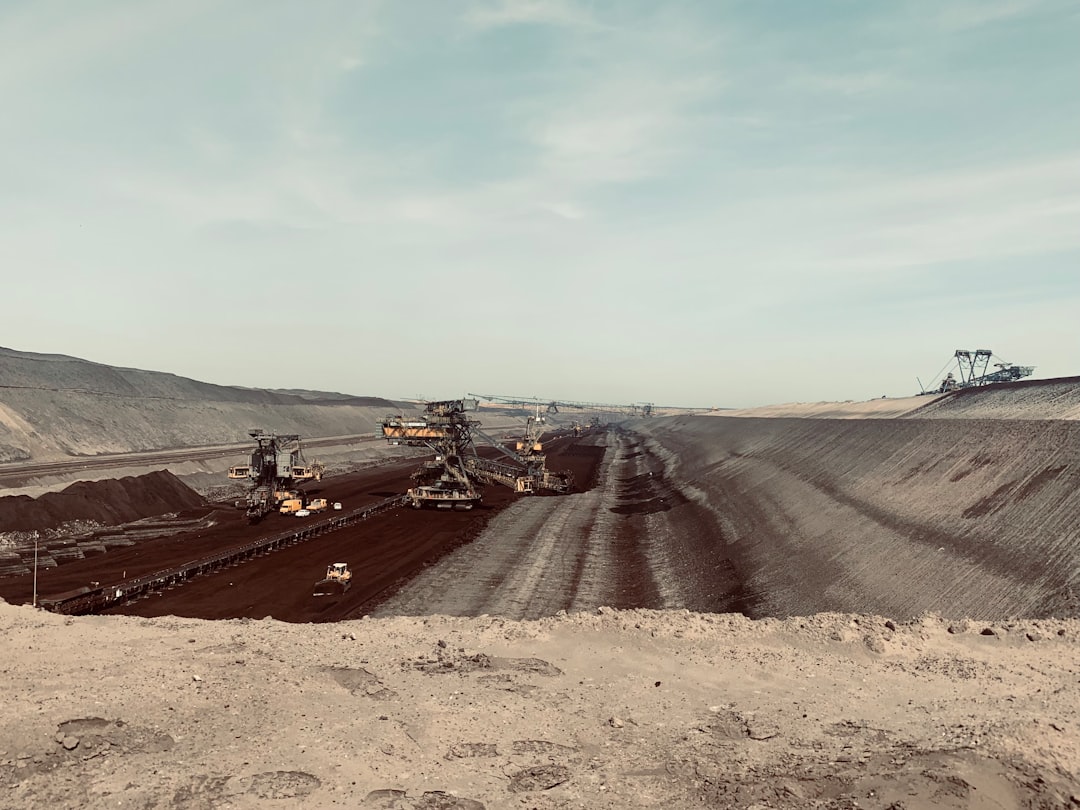
Aerial view of a gold mine in Maliby Lucas K (https://unsplash.com/@aznbokchoy)

Gold mining, the dominant activity, significantly contributes to Mali’s GDP. It also provides employment for a large portion of the population. However, the sector faces numerous challenges.

Political instability, infrastructural deficits, and regulatory issues are among the hurdles. Yet, the potential for sustainable growth and mineral exploration remains high. The government is keen on attracting foreign investment to harness this potential.

This article delves into the current state and future prospects of Mali’s mining sector. It explores the economic impact, the challenges, and the opportunities for growth. Whether you’re an investor, an industry analyst, or simply interested in the mining industry, this article offers valuable insights.

Stay with us as we journey through the intricacies of Mali’s mining sector.

Overview of Mali’s Mining Sector

Mali’s mining sector is a significant contributor to the country’s economy. It accounts for a substantial portion of the GDP and is a major source of foreign exchange. The sector also provides direct and indirect employment to a large number of Malians.

Map of Mali highlighting key mining areasby British Library (https://unsplash.com/@britishlibrary)

The government of Mali recognizes the sector’s importance. It has implemented policies to attract foreign investment. These policies include tax incentives and a favorable regulatory framework.

However, the sector is not without its challenges. Political instability, infrastructural deficits, and regulatory issues pose significant hurdles. Despite these challenges, the sector’s potential for growth and development is immense.

The Economic Backbone of Mali

The mining sector is the backbone of Mali’s economy. It is the largest contributor to the country’s GDP. The sector also plays a crucial role in generating foreign exchange earnings.

The government relies heavily on mining revenues to fund public services. These revenues also help in maintaining economic stability. Despite the sector’s importance, it is crucial to address the challenges it faces to ensure its sustainable growth.

Key Minerals and Resources

Mali is endowed with a variety of mineral resources. Gold is the most significant of these resources. It accounts for the majority of the country’s mining activities.

Other key minerals include:

  • Bauxite
  • Iron ore
  • Lithium

These minerals present opportunities for diversification. Exploiting these resources could further boost the sector’s contribution to the economy.

The Role of Gold Mining

Gold mining is the dominant activity in Mali’s mining sector. It contributes significantly to the country’s GDP and foreign exchange earnings. The country is the third-largest gold producer in Africa.

Gold nuggets from Maliby Tevei Renvoyé (https://unsplash.com/@teveir)

The gold mining industry also provides employment opportunities. Both large-scale and artisanal mining activities are prevalent. Each has its unique impact on the economy and the environment.

Large-Scale vs Artisanal Gold Mining

Large-scale mining operations are typically run by multinational corporations. These operations are capital-intensive and employ advanced technology. They also contribute significantly to government revenues through taxes and royalties.

On the other hand, artisanal and small-scale mining (ASM) is labor-intensive. It provides livelihoods for a large portion of the population. However, ASM activities often lack regulation. This lack of oversight can lead to environmental and health risks.

Challenges Facing the Mining Sector in Mali

The mining sector in Mali faces several challenges. These include political instability, infrastructural deficits, and regulatory issues. Each of these factors can impact the sector’s growth and sustainability.

Political instability in Mali poses a significant challenge. It can deter foreign investment and disrupt mining operations. Security concerns, particularly in certain mining regions, also pose a risk.

Political Instability and Security Concerns

Mali has experienced political instability in recent years. This instability can create an uncertain business environment. It can deter potential investors and disrupt ongoing mining operations.

Security concerns are also prevalent in certain mining regions. These concerns can pose a risk to the safety of mining personnel. They can also disrupt the supply chain and impact production.

Environmental and Health Risks

Mining activities, particularly ASM, can pose environmental and health risks. The use of hazardous substances like mercury is common in ASM. This can lead to environmental contamination and health issues for workers and local communities.

Mining operations can also lead to deforestation and loss of biodiversity. This can have long-term impacts on local ecosystems. It can also exacerbate the effects of climate change in the region.

Infrastructure and Regulatory Issues

Infrastructure deficits are another challenge for Mali’s mining sector. The lack of adequate roads and energy supply can hinder mining operations. It can also increase the cost of production and reduce competitiveness.

Regulatory issues also pose a challenge. The enforcement of mining regulations can be inconsistent. This can create uncertainty for investors and operators. It can also hinder efforts to promote sustainable practices in the sector.

Sustainable Growth and Mineral Exploration

Sustainable growth in the mining sector is a priority for Mali. The government is keen on attracting foreign investment. It is also focused on promoting sustainable practices in the sector.

Mali has a favorable geological setting for mineral exploration. This includes deposits of gold, bauxite, iron ore, and lithium. These resources present opportunities for diversification and growth in the sector.

However, achieving sustainable growth requires addressing the sector’s challenges. This includes improving infrastructure, enhancing regulatory enforcement, and managing environmental and health risks.

Government Initiatives and Investment Opportunities

The Malian government has implemented several initiatives to promote growth in the mining sector. These include tax incentives to encourage mineral exploration and development. The government has also revised the mining code to attract and secure investments.

These initiatives present investment opportunities in the sector. They also signal the government’s commitment to fostering a conducive business environment. However, realizing these opportunities requires navigating the sector’s challenges and risks.

International Partnerships and Transparency

International partnerships play a crucial role in supporting Mali’s mining sector. These partnerships can provide technical assistance, funding, and capacity building. They can also promote best practices in the sector.

Mali is a member of the Extractive Industries Transparency Initiative (EITI). This promotes transparency in the mining sector. It also fosters accountability and good governance.

Transparency is key to attracting investment and promoting sustainable growth. It can also help address some of the sector’s challenges, such as regulatory issues and environmental risks.

The Future of Mali’s Mining Sector

The future of Mali’s mining sector holds promise. There is potential for diversification into other minerals beyond gold. This could broaden the sector’s contribution to the economy.

Technological innovation could also play a key role in the sector’s future. It could improve efficiency and reduce environmental impact. However, this requires investment and capacity building.

The sector’s future also depends on addressing current challenges. This includes improving governance, managing environmental risks, and resolving conflicts with local communities. It also involves adapting to global market trends and climate change impacts.

Diversification and Technological Advancements

Diversification into other minerals could enhance the sector’s resilience. It could also increase its contribution to the economy. However, this requires investment in exploration and infrastructure development.

Technological advancements could improve efficiency in the sector. They could also reduce environmental impact. This includes innovations in mineral processing, waste management, and energy use.

However, leveraging technology requires investment and capacity building. It also requires a conducive regulatory environment.

Community Engagement and Social Responsibility

Community engagement is crucial for the sector’s sustainability. It can help resolve conflicts with local communities. It can also ensure equitable distribution of mining benefits.

Corporate Social Responsibility (CSR) practices are also important. They can help manage environmental and social risks. They can also enhance the sector’s reputation and social license to operate.

However, promoting community engagement and CSR requires commitment from all stakeholders. It also requires a supportive regulatory framework.

Conclusion

In conclusion, Mali’s mining sector is a key pillar of the economy. It has potential for sustainable growth and diversification.

However, realizing this potential requires addressing current challenges. It also requires commitment from all stakeholders to promote responsible and inclusive practices.

Malawi’s Mining Sector

Malawi’s Mining Sector

Malawi, a landlocked country in southeastern Africa, is rich in mineral resources. Yet, its mining sector remains largely untapped.

A map of Malawi highlighting its mineral depositsby British Library (https://unsplash.com/@britishlibrary)

This article delves into the current state of Malawi’s mining sector. It explores the potential for growth and the challenges faced.

We’ll look at the key mineral deposits found in Malawi. These include uranium, gemstones, and rare earth elements.

The article also examines the role of government policies and regulations. These play a crucial part in shaping the mining industry.

Finally, we’ll discuss the opportunities for foreign direct investment. This could help unlock Malawi’s mineral wealth and boost its economy.

Join us as we journey through the landscape of Malawi’s mining sector.

The Current Landscape of Malawi’s Mining Industry

The Malawi mining industry is still in its early stages. It contributes a small fraction to the country’s GDP and export revenues.

However, the sector holds significant potential. With the right investment and policies, it could become a major driver of economic growth.

One notable player in the industry is the Kayelekera uranium mine. Despite its current closure, it remains a symbol of the sector’s potential.

The industry also faces several challenges. These include infrastructure limitations and outdated mining technology.

Addressing these issues is crucial. It will pave the way for the growth and development of Malawi’s mining sector.

Mineral Wealth in Malawi: Key Deposits and Exploration

Malawi is rich in mineral resources. These include uranium, gemstones, and rare earth elements.

The country’s geological diversity is a magnet for mineral exploration. Advanced exploration techniques could lead to the discovery of new deposits.

However, the exploration of these resources is not without challenges. These include the need for geological surveys and the process of obtaining mining licenses.

Key mineral deposits in Malawi include:

  • Uranium: Found mainly in the Kayelekera mine.
  • Gemstones: Malawi is known for its variety of gemstones, including garnets and aquamarines.
  • Rare earth elements: These are in high demand globally, and Malawi has significant deposits.
  • Bauxite: There is potential for bauxite mining in the country.

The Role of Mining in Malawi’s Economy

The mining sector plays a crucial role in Malawi’s economy. It contributes significantly to the country’s GDP and export revenues.

The sector also provides employment opportunities. This is especially true in rural areas where mining activities are prevalent.

However, the impact of global commodity prices on Malawi’s mining sector cannot be ignored. Fluctuations in these prices can significantly affect the sector’s contribution to the economy.

Challenges Facing the Malawi Mining Sector

The Malawi mining sector faces several challenges. One of the most significant is the lack of infrastructure and technology.

This limitation hinders the exploration and extraction of mineral deposits. It also affects the transportation of mined resources to markets.

Another challenge is the impact of mining on local communities and the environment. Mining activities can lead to land degradation and pollution.

These issues necessitate the implementation of sustainable mining practices. However, achieving this is often a challenge due to financial constraints and lack of technical expertise.

Lastly, the sector is also affected by policy and regulatory issues. These can create uncertainties that deter potential investors.

Government Policies and Mining Regulations

Government policies and regulations play a crucial role in shaping the Malawi mining industry. They provide the legal framework for mining activities and guide the sector’s development.

However, these policies and regulations can sometimes be a double-edged sword. While they are necessary for ensuring sustainable mining and protecting the environment, they can also create uncertainties for investors.

It is therefore important for the government to strike a balance. Policies and regulations should promote sustainable mining and protect the environment, while also creating a conducive environment for investment.

Investment Opportunities and Foreign Direct Investment

Malawi’s mining sector presents numerous investment opportunities. The country’s rich mineral deposits, including uranium, gemstones, and rare earth elements, offer potential for significant returns.

Foreign direct investment (FDI) plays a crucial role in the development of the mining industry. FDI brings in much-needed capital, technology, and expertise to the sector.

However, attracting FDI requires a stable and competitive policy environment. Therefore, the government must ensure that its policies and regulations are attractive to foreign investors.

Sustainable Practices and Corporate Social Responsibility

Sustainable mining practices are essential for the long-term viability of Malawi’s mining sector. These practices help to minimize the environmental impact and ensure the sector’s contribution to the country’s sustainable development goals.

Corporate Social Responsibility (CSR) is another crucial aspect of the mining industry. Mining companies are expected to contribute to the socio-economic development of the communities in which they operate.

Incorporating CSR into their business models can help mining companies build strong relationships with local communities. This can lead to a more stable operating environment and enhance the sector’s overall reputation.

The Future of Mining in Malawi: Prospects and Potential

The future of Malawi’s mining sector holds significant potential. With the right policies and investments, the sector could become a major contributor to the country’s economy.

Technological advancements could play a key role in this growth. The adoption of new technologies can improve efficiency, reduce environmental impact, and open up new opportunities for mineral exploration.

Moreover, the potential for discovering new mineral deposits remains high. Advanced exploration techniques and geological surveys could lead to the identification of untapped resources, further boosting the sector’s prospects.

Conclusion: The Path Forward for Malawi’s Mining Sector

The path forward for Malawi’s mining sector is one of opportunity and challenge. With the right strategies, the sector can overcome its hurdles and realize its full potential.

In conclusion, the future of Malawi’s mining sector lies in sustainable practices, technological advancements, and a commitment to economic and social development.

Madagascar’s Mining Sector

Madagascar’s Mining Sector

Madagascar, an island nation off the southeast coast of Africa, is rich in mineral resources. Its diverse geological landscape is a treasure trove for the mining industry.

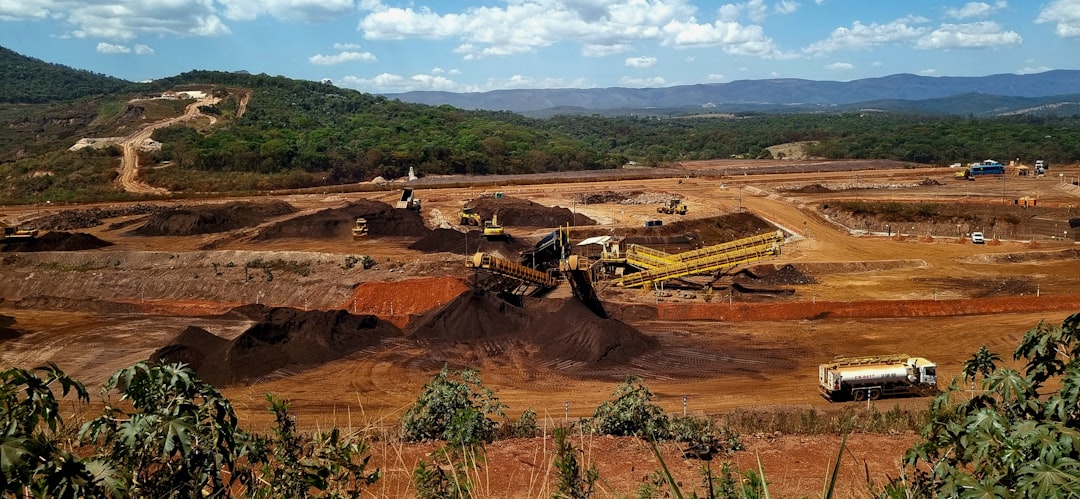
Aerial view of a mining site in Madagascarby Alex Perez (https://unsplash.com/@a2eorigins)

The country is known for its vast deposits of precious and semi-precious stones. Sapphires, garnets, and tourmalines are just a few examples. But the mining sector in Madagascar is not limited to gemstones.

It also includes significant deposits of nickel, cobalt, and ilmenite. These minerals play a crucial role in the global supply chain. They are used in a wide range of industries, from electronics to aerospace.

The mining industry is a key pillar of Madagascar’s economy. It contributes to the country’s GDP and provides employment opportunities. However, it also presents challenges.

This article will delve into the intricacies of the mining sector in Madagascar. We will explore its economic impact, the key players, and the challenges and opportunities it presents.

The Geological Landscape of Madagascar

Madagascar’s geological landscape is a testament to its rich mineral wealth. The island’s unique geology is the result of millions of years of tectonic activity.

Geological map of Madagascarby British Library (https://unsplash.com/@britishlibrary)

This has led to the formation of diverse mineral deposits. From the gemstone-rich regions of Ilakaka and Andilamena to the nickel and cobalt deposits of Ambatovy, Madagascar’s geology is a boon for the mining industry.

Key Mineral Deposits and Mining Areas

Madagascar is home to a wide array of mineral deposits. These include precious and semi-precious stones, nickel, cobalt, and rare earth elements.

Mining areas in Madagascarby iAko Randrianarivelo (https://unsplash.com/@iako_randrianarivelo)

The country is particularly renowned for its gemstones. Madagascar produces more than 50% of the world’s supply of sapphires. Other gemstones found here include tourmaline, garnets, and amethyst.

Key mining areas in Madagascar include:

  • Ilakaka-Sakaraha region: Known for its sapphire deposits.
  • Ambatovy: One of the largest nickel and cobalt mines in the world.
  • Fort Dauphin: Home to significant titanium deposits.

These mineral-rich areas play a crucial role in Madagascar’s mining sector. They attract both local and international mining companies, contributing significantly to the country’s economy.

The Economic Impact of Mining in Madagascar

The mining sector is a key pillar of Madagascar’s economy. It contributes significantly to the country’s Gross Domestic Product (GDP).

Mining activities also create employment opportunities. Both large-scale mining companies and artisanal miners provide jobs for locals. This helps to alleviate poverty and stimulate economic growth.

Moreover, the exportation of minerals brings in foreign exchange. This strengthens Madagascar’s trade balance and boosts its economic resilience. The mining sector, therefore, plays a vital role in Madagascar’s economic development.

Historical Development of the Mining Industry

Mining in Madagascar has a long history. It dates back to the pre-colonial era when locals mined precious stones and metals.

The sector has evolved over the years. Today, it includes both large-scale operations by multinational companies and small-scale artisanal mining. This growth reflects the rich mineral potential of Madagascar and the increasing global demand for its resources.

Major Players in Madagascar’s Mining Sector

Several multinational companies operate in Madagascar’s mining sector. These include Rio Tinto, Sherritt International, and Sumitomo Corporation. They are involved in the extraction of various minerals, including nickel, cobalt, and ilmenite.

Rio Tinto, for instance, operates the QMM mine. This mine is one of the world’s largest sources of ilmenite, used in the production of titanium dioxide. Sherritt International and Sumitomo Corporation, on the other hand, jointly operate the Ambatovy mine, a significant global producer of nickel and cobalt.

These companies play a crucial role in the sector. They contribute to Madagascar’s economy through job creation, infrastructure development, and export revenues.

Artisanal and Small-Scale Mining (ASM)

Artisanal and small-scale mining (ASM) is a significant part of Madagascar’s mining sector. It involves local communities in the extraction of precious stones, like sapphires and rubies.

Artisanal miners in Madagascarby 2Photo Pots (https://unsplash.com/@2photopots)

ASM provides a vital source of income for many Malagasy people. However, it also presents challenges, including environmental degradation and labor issues. Addressing these issues is crucial for the sustainable development of Madagascar’s mining sector.

Legal and Regulatory Framework

The mining industry in Madagascar operates under a legal and regulatory framework. This framework is designed to govern resource extraction and ensure the sustainable use of mineral deposits.

The government of Madagascar issues mining permits and licenses. These are necessary for both local and foreign companies to operate.

However, the regulatory environment can be challenging. Issues such as land rights and access can pose difficulties for mining companies. Understanding and navigating these legal complexities is crucial for successful operations in Madagascar’s mining sector.

Environmental and Social Considerations

Mining activities in Madagascar have significant environmental and social implications. The extraction of mineral deposits can lead to deforestation, soil erosion, and water pollution.

Environmental impact of mining in Madagascarby Graphic Node (https://unsplash.com/@graphicnode)

Local communities are often directly affected by these environmental changes. Mining operations can disrupt traditional livelihoods and lead to displacement of people.

On the other hand, the mining sector also provides employment opportunities and contributes to local development. Balancing these benefits with the need for environmental protection and social equity is a key challenge for Madagascar’s mining industry.

Challenges and Opportunities for the Future

The mining sector in Madagascar faces several challenges. Infrastructure development is needed to support the industry, including roads, ports, and energy supply. Regulatory issues also pose a challenge, with a need for clear and consistent policies.

Despite these challenges, there are significant opportunities for the future. The potential for new mineral discoveries is high, and technological advancements could improve efficiency and sustainability.

Moreover, the growing global demand for Madagascar’s minerals, particularly precious stones and rare earth elements, presents a promising outlook for the sector. The key will be to harness these opportunities in a way that benefits both the economy and the environment.

Conclusion: The Path Forward for Madagascar’s Mining Sector

The future of Madagascar’s mining sector lies in balancing economic growth with environmental protection. This will require sustainable mining practices, responsible resource extraction, and active community engagement.

With the right policies and partnerships, Madagascar has the potential to become a leader in sustainable mining practices. The country’s rich mineral deposits offer a unique opportunity for economic development, while also preserving its unique biodiversity.

Libya’s Mining Sector

Libya’s Mining Sector

Libya, a country rich in natural resources, has a mining sector that is yet to reach its full potential.

The sector, while currently underdeveloped, holds significant promise for economic development.

This article delves into the current state of the mining sector in Libya, its challenges, and opportunities.

We will also explore how resource extraction can contribute to Libya’s economic diversification efforts.

A map of Libya highlighting its mineral resourcesby British Library (https://unsplash.com/@britishlibrary)”

Libya’s Geographical and Geological Overview

Libya, located in North Africa, is known for its vast desert landscapes.

This geographical setting is rich in mineral resources, offering a diverse range of extraction opportunities.

The country’s geological makeup includes significant deposits of gypsum, limestone, and salt.

There are also indications of the presence of gold and other metals, yet to be fully explored.

A geological map of Libyaby USGS (https://unsplash.com/@usgs)”

Historical Context of Mining in Libya

Historically, Libya’s economy has been heavily reliant on oil.

The mining sector, in contrast, has remained largely underdeveloped.

This is despite the country’s rich mineral resources, which have been largely untapped.

Efforts are now underway to diversify the economy and develop the mining sector.

Current State of the Libya Mining Sector

The current state of the mining sector in Libya is one of potential.

The country is rich in minerals like gypsum, limestone, and salt.

There are also indications of gold and other precious metals.

However, political instability and lack of infrastructure have hindered development.

Despite these challenges, there are signs of progress.

Several international companies have shown interest in Libya’s mining sector.

Key developments include:

  • Increased exploration activities
  • New mining regulations
  • Investment in mining infrastructure

Current state of Libya's mining sectorby Ahmed Almakhzanji (https://unsplash.com/@bookerboot)

Key Minerals and Resources in Libya

Libya is home to a variety of minerals and resources.

The most abundant include gypsum, limestone, and salt.

These are used in construction and chemical industries.

There are also indications of gold and other precious metals.

Exploration activities are ongoing to confirm their presence.

Key minerals and resources include:

  • Gypsum
  • Limestone
  • Salt
  • Potential gold and other precious metals

Map of Libya highlighting key mineral locationsby Nik Shuliahin 💛💙 (https://unsplash.com/@tjump)

Economic Diversification and the Role of Mining

Libya’s economy has long been dependent on oil.

However, diversification is now a key focus.

The mining sector is seen as a potential driver of this change.

With its rich mineral resources, mining could significantly contribute to Libya’s GDP.

This could also lead to job creation and skill development, boosting the overall economy.

Challenges Facing Libya’s Mining Sector

The mining sector in Libya faces several challenges.

Political instability is a major issue.

This has led to a lack of security, affecting mining operations.

Infrastructure is another challenge.

Poor road networks and limited access to ports hinder resource transportation.

Regulatory issues also pose a problem.

  • The legal framework for mining is not well-defined.
  • There is a lack of transparency in resource extraction.
  • Land rights and ownership issues in mining areas are unresolved.

These challenges need to be addressed for the mining sector to thrive.

Opportunities for Investment and Growth

Despite the challenges, Libya’s mining sector offers opportunities.

The country is rich in minerals like gypsum, limestone, and salt.

There is also potential for gold and other metals.

Map of mineral deposits in Libyaby Andrew Stutesman (https://unsplash.com/@drwmrk)

Foreign investors can tap into these resources.

Partnerships with local companies can be beneficial.

With the right investment, Libya’s mining sector can contribute significantly to economic development.

Legal and Regulatory Framework

Libya’s mining sector is governed by laws and regulations.

The National Oil Corporation plays a key role.

However, the legal framework needs updating to attract more investment.

Efforts are underway to improve the regulatory environment.

Environmental and Sustainable Mining Practices

Environmental concerns are vital in Libya’s mining sector.

Sustainable practices are being promoted to minimize damage.

However, more work is needed to fully integrate these practices.

The potential for renewable energy in mining is also being explored.

The Future of Mining in Libya: Prospects and Potentials

The future of Libya’s mining sector holds promise.

With the right policies and investments, it could become a key economic driver.

<Future prospects of Libya's mining sector>“>by Tomasz Frankowski (https://unsplash.com/@sunlifter)</p>
<p>Technological advancements could modernize the sector.</p>
<p>However, political stability and regulatory reforms are crucial for this potential to be realized.</p>
<h2>Conclusion: The Strategic Importance of Libya’s Mining Sector</h2>
<p>Libya’s mining sector is strategically important.</p>
<p>It has the potential to diversify the economy and create jobs.</p>
<p>However, it requires significant investment and regulatory reform.</p>
<p>In conclusion, the future of Libya’s mining sector is promising, but it hinges on political stability and sound governance.</p>
						</section>
					</article>
									<article id=

Liberia’s Mining Sector

Liberia’s Mining Sector

Liberia’s mining sector is a vital part of the country’s economy. It’s a key player in the nation’s growth and development.

Aerial view of a mining site in Liberiaby Alex Perez (https://unsplash.com/@a2eorigins)

This sector is rich with mineral deposits. Iron ore, gold, and diamonds are the main resources extracted.

Yet, the sector is not without its challenges. Infrastructure deficits and regulatory issues pose significant hurdles.

This article aims to provide a comprehensive overview of mining in Liberia. It will delve into the economic impact, potential, and challenges of the sector.

Whether you’re an investor, policy maker, or simply interested in Liberia’s mining industry, this article will offer valuable insights. Let’s explore the world of resource extraction in Liberia.

The Backbone of Liberia’s Economy: Mining Sector Overview

The mining sector is a cornerstone of Liberia’s economy. It plays a significant role in the country’s GDP and employment.

The sector is diverse, with both large-scale and artisanal mining operations. These operations extract a variety of minerals, contributing to the country’s export earnings.

Foreign investment plays a crucial role in the sector. International mining companies have invested heavily in exploration and extraction activities. This has led to the discovery and development of new mining sites.

However, the sector’s growth is not without challenges. Infrastructure deficits, regulatory issues, and environmental concerns pose significant hurdles. These challenges need to be addressed to ensure the sector’s sustainable growth.

Despite these challenges, the mining sector holds immense potential for Liberia. With the right policies and investments, it can drive economic diversification and sustainable development.

Historical Context and Mineral Wealth

Mining in Liberia has a rich history. It dates back to the 1930s, with the extraction of iron ore, gold, and diamonds. These minerals have since become the backbone of the country’s mining sector.

The sector has seen periods of growth and decline, influenced by global market dynamics and domestic challenges. Despite these fluctuations, mining remains a key contributor to Liberia’s economy.

The country is endowed with vast mineral wealth. This includes not only iron ore, gold, and diamonds, but also potential deposits of other minerals yet to be fully explored. This mineral wealth presents significant opportunities for future growth.

Key Minerals: Iron Ore, Gold, and Diamonds

Iron ore is the leading mineral in Liberia’s mining sector. The country boasts several large iron ore deposits. These deposits have attracted major international mining companies.

Gold and diamonds are also significant. Artisanal and small-scale miners primarily extract these minerals. They play a crucial role in local economies.

Map of Liberia showing key mineral depositsby British Library (https://unsplash.com/@britishlibrary)

The potential for discovering additional mineral deposits remains high. This potential, coupled with the existing mineral wealth, positions Liberia’s mining sector for future growth.

Economic Contributions and GDP Impact

The mining sector is a major contributor to Liberia’s GDP. It generates significant revenue through the export of minerals. This revenue is vital for the country’s economic stability.

The sector also creates jobs, both directly and indirectly. These jobs contribute to poverty reduction and economic growth.

However, the sector’s contribution to the GDP fluctuates. It is influenced by global market prices and demand for minerals. Despite these fluctuations, the sector remains a key pillar of Liberia’s economy.

Exploration and Undiscovered Resources

Liberia is rich in mineral resources. Yet, many of these resources remain untapped. This is due to a lack of comprehensive geological surveys and exploration activities.

The potential for discovering new mineral deposits is high. This presents opportunities for increased resource extraction and economic growth. However, exploration activities require significant investment and technical expertise.

The government is keen on attracting foreign investment for exploration. This is seen as a key strategy to unlock the country’s full mining potential. It is also a way to diversify the mining sector beyond the current key minerals.

Foreign Investment and Global Market Dynamics

Foreign investment plays a crucial role in Liberia’s mining sector. It provides the necessary capital for large-scale mining operations. It also brings in advanced technology and expertise.

However, the global market dynamics can significantly impact the sector. Fluctuations in commodity prices can affect the profitability of mining operations. This, in turn, can influence the level of foreign investment.

The Liberian government is working to create a favorable investment climate. This includes improving regulatory frameworks and offering incentives to attract more foreign investors. The goal is to ensure the sustainable growth of the mining sector.

Sustainable Mining Practices and Environmental Concerns

Sustainable mining practices are essential for the long-term viability of Liberia’s mining sector. These practices aim to minimize the environmental impact of mining operations. They also seek to ensure the well-being of local communities.

Sustainable mining practices in Liberiaby Shubham’s Web3 (https://unsplash.com/@shubzweb3)

However, environmental concerns remain a significant challenge. Mining activities can lead to deforestation, soil erosion, and water pollution. These environmental issues can have severe consequences for local ecosystems and communities.

The Liberian government and mining companies are taking steps to address these concerns. They are implementing stricter environmental regulations and promoting responsible mining practices.

Challenges in Infrastructure and Regulation

Infrastructure deficits pose a significant challenge to Liberia’s mining sector. Poor road networks, inadequate power supply, and limited port facilities can hinder mining operations and mineral exports.

Regulatory issues also impact the sector. Inconsistent policies, weak enforcement, and lack of transparency can deter potential investors and undermine the sector’s growth.

The Role of Government and Legal Frameworks

The Liberian government plays a crucial role in the mining sector. It sets policies, regulates operations, and promotes foreign investment to drive sector growth.

Legal frameworks, like the Mining and Minerals Law, shape the sector. They provide guidelines for operations, protect rights, and ensure responsible mining practices.

Artisanal and Small-Scale Mining (ASM) in Liberia

Artisanal and small-scale mining (ASM) is prevalent in Liberia. It provides livelihoods for many locals, contributing to the economy.

Artisanal miners at work in Liberiaby Luca Bravo (https://unsplash.com/@lucabravo)

However, ASM also poses challenges. These include environmental concerns and the need for better regulation and support.

The Future: Growth, Innovation, and Community Impact

Looking ahead, Liberia’s mining sector holds promise for growth and innovation. Technological advancements could modernize operations, boosting efficiency and sustainability.

The sector also has the potential to drive significant community impact. Job creation, skill development, and local economic stimulation are all possible benefits.

However, realizing this potential will require overcoming challenges. These include infrastructure deficits, regulatory issues, and the need for greater transparency and good governance.

Lesotho’s Mining Sector

Lesotho’s Mining Sector

Lesotho, a small landlocked nation, is known for its rich diamond deposits. Nestled within South Africa, this country’s economy heavily relies on diamond mining.

Aerial view of a diamond mine in Lesothoby Alex Perez (https://unsplash.com/@a2eorigins)

The history of diamond mining in Lesotho dates back to the 1950s. Since then, it has become a significant part of the nation’s identity. The mines here are renowned for producing high-value, gem-quality stones.

This article delves into the intricacies of diamond mining in Lesotho. It explores the processes of resource extraction and the importance of mineral deposits in the country. We’ll also look at the industry’s impact on Lesotho’s economy.

From the Letseng mine’s legacy to the challenges and opportunities in the sector, we’ll cover it all. We’ll also discuss the role of sustainable practices and community development in the mining industry.

Whether you’re an investor, a student, or simply curious, this comprehensive guide to Lesotho’s mining sector will provide valuable insights.

The Bedrock of Lesotho’s Economy: Diamond Mining

Diamond mining is a cornerstone of Lesotho’s economy. It contributes significantly to the country’s Gross Domestic Product (GDP). This sector also provides employment opportunities, improving the livelihoods of many Basotho people.

The industry has attracted foreign investment, crucial for its development. These investments have enabled the exploration and extraction of Lesotho’s mineral wealth. Notably, the country’s mineral wealth is not limited to diamonds.

However, the sector faces challenges. Illegal mining and ensuring the benefits of mining reach the local population are among them. The government has implemented mining regulations to manage resource extraction sustainably.

Environmental concerns are an integral part of mining operations. Companies are required to adhere to environmental protection standards. This balance between economic growth and environmental sustainability is a key concern for Lesotho’s mining industry.

A Glimpse into History: The Discovery of Diamonds in Lesotho

The history of diamond mining in Lesotho began in the 1950s. The discovery of diamonds marked a turning point for the country’s economy. It set the stage for the development of a thriving mining industry.

The country’s unique geology and high-altitude contribute to the presence of these valuable mineral deposits. Over the years, technological advancements have allowed for more efficient and less invasive mining techniques.

These factors have shaped the trajectory of Lesotho’s mining industry. They continue to influence its future prospects.

The Letseng Legacy: A Jewel in Lesotho’s Crown

The Letseng mine, operated by Gem Diamonds, is a jewel in Lesotho’s crown. It is one of the most productive mines in the country. The mine is famous for its large, high-quality diamonds.

The Letseng diamond mine in Lesothoby Angelo Moleele (https://unsplash.com/@angelokarabo053)

One of the largest diamonds ever discovered, the Lesotho Promise, was found in the Letseng mine. This 603-carat diamond underscores the mine’s significance. It also highlights the potential of Lesotho’s mineral wealth.

The Letseng mine’s legacy extends beyond diamond extraction. It plays a crucial role in the country’s economic development and community initiatives. The mine’s operations exemplify the potential and challenges of diamond mining in Lesotho.

The Impact of Diamond Mining on Lesotho’s Development

Diamond mining has a profound impact on Lesotho’s development. The revenue from this sector has enabled the country to invest in infrastructure and social programs. These investments have improved the quality of life for many Basotho people.

The mining industry also plays a role in Lesotho’s international trade. It contributes significantly to the country’s balance of payments. This sector’s influence extends beyond the borders of this small, landlocked nation.

However, the impact of mining on Lesotho’s natural landscapes and biodiversity is a concern. Land reclamation and rehabilitation following mining activities are essential. These efforts help to mitigate the environmental impact of mining.

The mining sector’s impact on Lesotho’s economy is significant. Yet, it also presents challenges in terms of economic diversification. The country’s reliance on a single natural resource can make it vulnerable to market fluctuations.

Despite these challenges, the future of diamond mining in Lesotho looks promising. New deposits are being explored, and existing mines are expanding. These developments could further bolster the country’s economy and development.

Economic Contributions: GDP and Employment

Diamond mining contributes substantially to Lesotho’s GDP. This sector is a major driver of the country’s economic growth. It has the potential to transform Lesotho’s economy.

The industry also provides employment opportunities. Many Basotho people rely on mining for their livelihoods. The sector’s growth could lead to more job creation.

However, the need for skilled labor is a challenge. Training and development of the local workforce are crucial. These efforts can help to maximize the industry’s economic contributions.

Challenges and Opportunities: From Regulation to Illegal Mining

The mining industry in Lesotho faces several challenges. Illegal mining is a significant issue. It undermines the industry’s sustainability and the country’s economy.

Regulation of the mining sector is another challenge. The government has implemented mining regulations to manage resource extraction sustainably. However, ensuring compliance with these regulations is not always straightforward.

Despite these challenges, the mining industry presents opportunities. Technological advancements can make mining more efficient and less invasive. These innovations could help to address some of the industry’s challenges. They could also unlock new opportunities for growth and development.

Sustainable Practices and Community Development

Sustainability is a key focus in Lesotho’s mining sector. The industry is increasingly recognizing the importance of sustainable practices. These practices can help to ensure the long-term viability of mining in Lesotho.

Community development is another important aspect. Mining companies often engage in local projects and education initiatives. These efforts can help to improve the livelihoods of local communities.

Balancing economic growth with environmental sustainability is a challenge. However, it is a necessary endeavor. The future of Lesotho’s mining industry depends on it.

Environmental Stewardship and Corporate Responsibility

Environmental stewardship is a crucial part of corporate responsibility in mining. Companies are required to adhere to environmental protection standards. These standards help to minimize the environmental impact of mining activities.

Corporate social responsibility is also important. Companies are expected to contribute to the communities in which they operate. This responsibility extends beyond the mining operations themselves. It encompasses a broader commitment to sustainable development in Lesotho.

The Future of Mining in Lesotho: Prospects and Innovations

The future of diamond mining in Lesotho looks promising. New deposits are being explored and existing mines are expanding. This growth could lead to increased revenue and employment opportunities.

Technological advancements are also playing a role. More efficient and less invasive mining techniques are being developed. These advancements could help to improve the sustainability of the industry.

However, the future of mining in Lesotho is not without challenges. Market fluctuations, the need for skilled labor, and environmental concerns all pose potential obstacles. The industry must navigate these challenges to ensure its long-term success.

Exploration and Technological Advancements

Exploration is a crucial part of the mining industry. Geological surveys and research are key to identifying new mining opportunities. In Lesotho, the potential for other minerals is yet to be fully explored.

Technological advancements are also important. They can help to improve mining processes and reduce environmental impact. Innovation and modernization will be key to the future of Lesotho’s mining industry.

Conclusion: Lesotho’s Path Forward in the Diamond Industry

Lesotho’s path forward in the diamond industry is one of promise and potential. With careful management, the sector can continue to contribute significantly to the country’s economy.

However, the journey will require balancing economic growth with environmental sustainability. It’s a challenge, but one that Lesotho is ready to face.

Kenya’s Mining Sector

Kenya’s Mining Sector

Kenya’s mining sector is a rich tapestry of potential and challenges. It’s a key player in the country’s economic narrative.

Aerial view of a mining site in Kenyaby Tucker Tangeman (https://unsplash.com/@thor1991)

The sector is home to a variety of mineral deposits. Gold, titanium, niobium, and rare earth elements are just a few. These resources offer immense opportunities for growth and investment.

Yet, the path to harnessing this potential is not without hurdles. Infrastructure, financing, and environmental concerns pose significant challenges.

This article delves into the intricacies of mining in Kenya. It explores the sector’s evolution, its regulatory framework, and the major players in the field.

We’ll also examine the impact of technology on mineral exploration. And we’ll discuss the sector’s economic impact and its future prospects.

Join us as we unearth the story of Kenya’s mining sector.

The Evolution of Mining in Kenya

Mining in Kenya has a rich history. It dates back to the pre-colonial era when communities mined iron and gold for their use.

In the modern era, the sector has seen significant growth. The government’s efforts to regulate and promote mining have played a crucial role in this evolution.

Key Mineral Deposits and Exploration

Kenya is endowed with a variety of mineral resources. These include precious metals, gemstones, and industrial minerals.

The country is known for its deposits of gold, titanium, and niobium. There are also significant reserves of rare earth elements.

Exploration activities are ongoing, with the potential for new discoveries. Key minerals found in Kenya include:

  • Gold
  • Titanium
  • Niobium
  • Rare earth elements

Map of mineral deposits in Kenyaby British Library (https://unsplash.com/@britishlibrary)

The Mining Act of 2016 and Regulatory Framework

The Mining Act of 2016 is a key legal framework for the mining sector in Kenya. It provides guidelines for mineral exploration, extraction, and processing.

The Act also outlines the roles and responsibilities of the Ministry of Mining. This body regulates and promotes the sector, ensuring compliance with national and international standards.

Major Mining Projects and Companies in Kenya

Kenya is home to several significant mining projects. These include the Kwale Mineral Sands Project and the Kilimapesa Gold Mine.

Major companies operating in Kenya include Base Titanium, Acacia Mining, and Karebe Gold Mining. These companies contribute significantly to the country’s economy.

Image of a mining site in Kenyaby sutirta budiman (https://unsplash.com/@sutirtab)”

Technological Advancements in Mineral Exploration

Technology plays a crucial role in mineral exploration in Kenya. Modern techniques such as remote sensing, geophysical surveys, and geochemical analysis are used to identify potential mineral deposits.

These advancements have not only increased the efficiency of exploration but also reduced the environmental impact. They have opened up new possibilities for discovering untapped mineral resources in the country.

Challenges and Solutions in the Kenyan Mining Sector

The Kenyan mining sector faces several challenges. These include inadequate infrastructure, limited access to financing, and environmental concerns. Additionally, land disputes and the need for fair compensation for local communities are significant issues.

However, solutions are being implemented. The government is investing in infrastructure development and promoting public-private partnerships. Environmental impact assessments are now mandatory for mining projects. Also, efforts are being made to ensure transparency and good governance in the sector. This is to attract more investments and ensure sustainable mining practices.

Economic Impact and Community Involvement

The mining sector in Kenya has a significant economic impact. It contributes to the national economy through job creation, skill development, and foreign exchange earnings. Moreover, it has the potential to support other industries through inter-sectoral linkages.

Community involvement is also crucial in mining activities. The sector provides opportunities for artisanal and small-scale mining, which contribute to the local economy. Measures are in place to ensure fair compensation for local communities affected by mining. This is part of the broader effort to ensure that the benefits of mining are shared equitably.

Sustainable Mining and Environmental Conservation

Sustainable and responsible mining practices are essential in Kenya. These practices help to mitigate the environmental impact of mining activities. They also ensure the conservation of biodiversity, which is crucial in a country rich in natural resources.

Sustainable mining practices in Kenyaby Sergey Pesterev (https://unsplash.com/@sickle)

The Kenyan government promotes these practices through regulations and policies. It also encourages the use of renewable energy sources in mining operations. This is part of the broader effort to transition to a low-carbon economy. The balance between mining activities and environmental conservation is a key consideration in the sector’s development.

The Future of Mining in Kenya: Opportunities and Prospects

The future of mining in Kenya holds immense potential. With ongoing exploration activities, there is a high possibility of discovering new mineral deposits. This could significantly boost the country’s mining sector and contribute to economic growth.

The government’s strategic plans aim to expand the mining sector. They focus on attracting foreign investment, promoting technological advancements, and ensuring sustainable practices. The ultimate goal is to make mining a key contributor to Kenya’s Vision 2030 development goals.

Ivory Coast’s Mining Sector

Ivory Coast’s Mining Sector

The mining sector in Ivory Coast, or Côte d’Ivoire, is a significant player in the country’s economy. It contributes to the GDP and provides employment opportunities for the local population.

Aerial view of a mining site in Ivory Coastby Scott Graham (https://unsplash.com/@homajob)

The country is rich in various minerals. Gold, manganese, and bauxite are among the key resources extracted. These minerals have attracted both local and international mining companies.

However, the sector is not without its challenges. Infrastructure deficits and environmental concerns are among the issues faced. Yet, these challenges also present opportunities for growth and innovation.

In this article, we delve into the intricacies of the Ivory Coast mining sector. We explore its economic impact, the legal framework governing it, and the future prospects of mineral extraction in the country.

Whether you’re an investor, a policy maker, or simply interested in the economic development of Ivory Coast, this comprehensive overview offers valuable insights.

Overview of the Mining Sector in Ivory Coast

The mining sector in Ivory Coast has seen significant growth over the years. It has become a key contributor to the country’s GDP. This growth is largely due to the abundance of mineral resources in the country.

The sector is dominated by several international mining companies. These companies have made substantial investments in exploration and extraction activities. The government has also played a crucial role in supporting these activities.

However, the sector is not without its challenges. Infrastructure deficits, environmental concerns, and the need for sustainable mining practices are among the issues that need to be addressed. Despite these challenges, the sector continues to show promise.

The following are some key facts about the mining sector in Ivory Coast:

  • It contributes significantly to the country’s GDP.
  • It provides employment opportunities for the local population.
  • It is dominated by international mining companies.
  • It faces challenges such as infrastructure deficits and environmental concerns.

The Economic Impact of Mineral Extraction

Mineral extraction has a significant impact on Ivory Coast’s economy. It contributes to the country’s GDP and provides employment opportunities. The sector also attracts foreign direct investment, which boosts the country’s economy.

The government earns revenue from the sector through taxes and royalties. This revenue is used to fund public services and infrastructure projects. The sector also contributes to the country’s trade balance through the export of minerals.

However, the sector’s contribution to the economy is not without its challenges. Fluctuations in global commodity prices can impact the profitability of mining operations. This, in turn, can affect the sector’s contribution to the economy.

Key Minerals and Production Statistics

Ivory Coast is rich in various minerals. Gold, manganese, and bauxite are among the key minerals extracted in the country. The country has also seen an increase in the production of these minerals over the years.

Gold production, in particular, has seen significant growth. This growth has been driven by the presence of international mining companies and their investments in exploration and extraction activities.

Gold nuggets extracted from a mine in Ivory Coastby Tevei Renvoyé (https://unsplash.com/@teveir)

Here are some key production statistics:

  • Gold: Ivory Coast is one of the largest gold producers in Africa. The country produced over 30 tons of gold in 2020.
  • Manganese: The country is also a significant producer of manganese. In 2020, it produced over 1 million tons of the mineral.
  • Bauxite: Ivory Coast has significant bauxite reserves. The country produced over 50 million tons of bauxite in 2020.

These statistics highlight the importance of the mining sector in Ivory Coast’s economy. They also underscore the potential for further growth and development in the sector.

Legal Framework and Mining Policies

The mining sector in Ivory Coast is governed by a legal framework. This includes the Mining Code, which sets out the rules for mineral extraction. The Code also outlines the rights and obligations of mining companies.

The government has made efforts to improve the legal framework. This is to attract more investment into the sector. It has also aimed to ensure that mining activities are carried out in a sustainable and responsible manner.

The legal framework also includes provisions for the protection of the environment. This is to mitigate the impact of mining activities on the environment.

Obtaining Mining Licenses and Permits

Obtaining a mining license or permit in Ivory Coast involves a process. This process is outlined in the Mining Code. It includes the submission of an application and the payment of a fee.

The government reviews the application. It considers factors such as the applicant’s technical and financial capacity. If the application is approved, the applicant is granted a license or permit. This allows them to carry out mining activities in the country.

Government Support and Regulation

The Ivorian government plays a crucial role in supporting and regulating the mining sector. It provides incentives to encourage investment in the sector. These incentives include tax breaks and reduced import duties.

The government also regulates the sector to ensure compliance with the Mining Code. It monitors mining activities and enforces the rules set out in the Code. This is to ensure that mining activities are carried out in a sustainable and responsible manner.

Challenges and Opportunities in the Mining Sector

The mining sector in Ivory Coast faces several challenges. These include infrastructure deficits and environmental concerns. However, these challenges also present opportunities for growth and development.

Infrastructure deficits, such as inadequate roads and energy supply, can hinder mining operations. However, these challenges also present opportunities for investment in infrastructure development. This can support not only the mining sector but also other sectors of the economy.

Environmental concerns related to mining activities are also a challenge. However, these concerns have led to increased focus on sustainable mining practices. This presents opportunities for innovation and the adoption of environmentally friendly technologies.

Infrastructure and Environmental Concerns

Infrastructure deficits in Ivory Coast can hinder mining operations. For example, inadequate roads can make it difficult to transport minerals. Similarly, an unreliable energy supply can disrupt mining activities.

Environmental concerns are also a major challenge. Mining activities can have a significant impact on the environment. This includes pollution of water bodies and degradation of land. Therefore, there is a need for sustainable mining practices to mitigate these impacts.

Sustainable Mining and Corporate Social Responsibility

Sustainable mining practices are crucial in addressing environmental concerns. These practices include efficient use of resources and minimization of waste. They also involve the rehabilitation of mining sites after extraction activities.

Corporate social responsibility (CSR) is also important in the mining sector. Mining companies have a responsibility to contribute to the development of local communities. This can be achieved through initiatives such as providing employment and supporting local businesses. CSR initiatives can also help to improve the reputation of mining companies and attract investment.

The Future of Mining in Ivory Coast

The future of the mining sector in Ivory Coast looks promising. The potential for new discoveries and the role of technology and innovation are key factors. These elements could drive the growth and development of the sector.

The government’s support for exploration activities is also crucial. This, coupled with the country’s rich mineral resources, could lead to new discoveries. These discoveries could further boost the mining sector and the overall economy.

The role of technology and innovation cannot be overstated. They are essential for modernizing the sector and improving efficiency and productivity.

Exploration and Potential for New Discoveries

Exploration activities in Ivory Coast have the potential to uncover new mineral deposits. This could significantly boost the mining sector. The government’s support for these activities is crucial for their success.

The potential for new discoveries is not limited to the currently mined minerals. There is also potential for the discovery of underdeveloped minerals like nickel and copper. This could diversify the mining sector and reduce dependency on a few key minerals.

The Role of Technology and Innovation

Technology and innovation play a crucial role in the mining sector. They can help to modernize the sector and improve efficiency and productivity. For example, digitalization can help to improve data analytics in resource estimation and mine planning.

Innovation can also help to address some of the challenges faced by the sector. For instance, renewable energy sources could be used to power mining operations. This could help to address energy supply challenges and reduce the environmental impact of mining activities.

Conclusion: Ivory Coast’s Mining Sector Outlook

The mining sector in Ivory Coast has a bright future. With the potential for new discoveries and the role of technology and innovation, the sector is poised for growth.

The government’s support and the country’s rich mineral resources are key factors. These elements could drive the sector’s development and contribute to the overall economy.

Strategies for Successful African Startup Investments

Strategies for Successful African Startup Investments

Investing in African startups is a venture that holds immense potential. The continent’s startup ecosystem is vibrant, diverse, and rapidly growing.

Yet, it also presents unique challenges. Understanding these challenges is key to successful investments.

This article aims to guide potential investors. It provides strategies for navigating the African startup landscape.

We’ll delve into sectors with high growth potential. We’ll discuss the importance of local market knowledge and due diligence.

We’ll also explore the role of networks and partnerships. And we’ll highlight the significance of impact investing in Africa.

Whether you’re a venture capitalist, an angel investor, or an individual investor, this guide offers valuable insights. It’s a roadmap to successful African startup investments.

Understanding the African Startup Ecosystem

The African startup ecosystem is dynamic and diverse. It’s characterized by a surge in tech startups, driving economic growth.

However, investing in this ecosystem requires understanding its unique aspects. These include the challenges and opportunities it presents.

One key challenge is the lack of infrastructure. Yet, this also opens up opportunities for startups to fill these gaps.

Another aspect is the role of incubators and accelerators. They play a significant part in nurturing startups.

Understanding these dynamics is crucial. It helps investors make informed decisions when investing in African startups.

Identifying High Growth Potential Sectors

Africa is a continent of opportunities. Several sectors show high growth potential.

Fintech is one such sector. It’s revolutionizing how Africans handle money.

Healthtech is another promising sector. It’s addressing healthcare challenges in the continent.

Agritech is also on the rise. It’s leveraging technology to transform agriculture.

Here are some sectors with high growth potential:

  • Fintech
  • Healthtech
  • Agritech
  • E-commerce
  • Renewable energy

Investors should keep an eye on these sectors. They offer promising opportunities for investment.

The Importance of Local Market Knowledge

Understanding the local market is crucial. It helps investors make informed decisions.

Each African market is unique. They have their own challenges and opportunities.

Investors should study consumer behavior. They should also understand the economic and political landscape.

This knowledge can be acquired through research. Partnering with local entities can also help.

Leveraging Networks and Partnerships

Building networks is key in African markets. It helps in gaining local insights.

Partnerships can provide access to resources. They can also help navigate regulatory hurdles.

Investors can leverage incubators and accelerators. They are a great source of promising startups.

Networking events and pitch competitions are also beneficial. They provide exposure to a wide range of startups.

Due Diligence and Risk Assessment

Due diligence is crucial when investing in African startups. It helps to understand the startup’s potential.

Investors should evaluate the startup’s business model. They should also assess its market positioning.

Risk assessment is another important step. It involves understanding the startup’s financial health.

Currency risks are a significant consideration. Investors should have strategies to mitigate them.

Here are some steps for conducting due diligence:

  • Review the startup’s financial statements.
  • Assess the scalability of the startup.
  • Evaluate the strength of the management team.
  • Understand the startup’s legal and regulatory compliance.
  • Consider the startup’s impact on the local community.

Investors should be thorough in their due diligence. It helps to make informed investment decisions.

Evaluating Management and Scalability

The management team is a key factor in a startup’s success. Investors should assess the team’s experience and skills.

The team’s vision and commitment are also important. They can drive the startup’s growth and innovation.

Scalability is another crucial factor. It refers to the startup’s potential to expand.

Investors should evaluate the startup’s business model. They should assess if it can be replicated in other markets.

A scalable startup can provide higher returns. It can also contribute to economic growth in Africa.

Legal and Regulatory Considerations

Investing in African startups involves legal considerations. Understanding the regulatory environment is crucial.

Each African country has its own laws. These laws can affect startups and investments.

Investors should consider currency risks. They should also understand how to mitigate them.

Government policies can also impact startups. Investors should stay informed about these policies.

Investment Structures and Exit Strategies

Investment structures can balance risk and reward. They can be tailored to each startup.

Exit strategies are also important. They can affect the return on investment.

Understanding the exit landscape in Africa is crucial. It can help investors plan their exit.

Online platforms can help find investment opportunities. They can also help structure investments.

Investors should consider the potential for high financial returns. Successful African startups can offer these returns.

The Role of Impact Investing in Africa

Impact investing is significant in Africa. It appeals to many investors.

Investors can contribute to social and economic development. They can do this while also seeking financial returns.

Investing in African startups can have a positive impact. It can help solve local challenges.

Investors should consider the social and economic impact of their investments. This can lead to sustainable growth.

Finding and Assessing Investment Opportunities

Finding investment opportunities in Africa can be done through various channels. Online platforms and networks are a good start.

Investors can also attend African startup events. Pitch competitions are also a good source of potential investments.

Here are some tips for assessing investment opportunities:

  • Understand the vision of the local entrepreneurs.
  • Evaluate the scalability of the startup.
  • Assess the strength of the management team.
  • Consider the startup’s potential for regional expansion.

Remember, patience and long-term commitment are key.

Case Studies: Success Stories and Lessons Learned

Let’s look at some successful investments in African startups. These case studies can provide valuable insights.

One example is Jumia, an e-commerce platform. It became Africa’s first unicorn, showing the potential of digital platforms.

Another success story is Andela. It focuses on talent development, proving the importance of education in startup success.

Investing in African startups can yield high returns. However, it’s crucial to learn from both successes and failures.

In conclusion, these case studies highlight the growth potential of African startups. They also underscore the importance of thorough due diligence.

Conclusion: The Future of Investing in African Startups

Investing in African startups offers exciting opportunities. With the right strategies, investors can tap into the continent’s growth potential.

The future of investing in African startups looks promising. It’s a journey filled with learning, growth, and potential high returns.

Strategies for Successful African Startup Investments

Strategies for Successful African Startup Investments

Investing in African startups is a venture that holds immense potential. The continent’s startup ecosystem is vibrant, diverse, and rapidly growing.

Yet, it also presents unique challenges. Understanding these challenges is key to successful investments.

This article aims to guide potential investors. It provides strategies for navigating the African startup landscape.

We’ll delve into sectors with high growth potential. We’ll discuss the importance of local market knowledge and due diligence.

We’ll also explore the role of networks and partnerships. And we’ll highlight the significance of impact investing in Africa.

Whether you’re a venture capitalist, an angel investor, or an individual investor, this guide offers valuable insights. It’s a roadmap to successful African startup investments.

Understanding the African Startup Ecosystem

The African startup ecosystem is dynamic and diverse. It’s characterized by a surge in tech startups, driving economic growth.

However, investing in this ecosystem requires understanding its unique aspects. These include the challenges and opportunities it presents.

One key challenge is the lack of infrastructure. Yet, this also opens up opportunities for startups to fill these gaps.

Another aspect is the role of incubators and accelerators. They play a significant part in nurturing startups.

Understanding these dynamics is crucial. It helps investors make informed decisions when investing in African startups.

Identifying High Growth Potential Sectors

Africa is a continent of opportunities. Several sectors show high growth potential.

Fintech is one such sector. It’s revolutionizing how Africans handle money.

Healthtech is another promising sector. It’s addressing healthcare challenges in the continent.

Agritech is also on the rise. It’s leveraging technology to transform agriculture.

Here are some sectors with high growth potential:

  • Fintech
  • Healthtech
  • Agritech
  • E-commerce
  • Renewable energy

Investors should keep an eye on these sectors. They offer promising opportunities for investment.

The Importance of Local Market Knowledge

Understanding the local market is crucial. It helps investors make informed decisions.

Each African market is unique. They have their own challenges and opportunities.

Investors should study consumer behavior. They should also understand the economic and political landscape.

This knowledge can be acquired through research. Partnering with local entities can also help.

Leveraging Networks and Partnerships

Building networks is key in African markets. It helps in gaining local insights.

Partnerships can provide access to resources. They can also help navigate regulatory hurdles.

Investors can leverage incubators and accelerators. They are a great source of promising startups.

Networking events and pitch competitions are also beneficial. They provide exposure to a wide range of startups.

Due Diligence and Risk Assessment

Due diligence is crucial when investing in African startups. It helps to understand the startup’s potential.

Investors should evaluate the startup’s business model. They should also assess its market positioning.

Risk assessment is another important step. It involves understanding the startup’s financial health.

Currency risks are a significant consideration. Investors should have strategies to mitigate them.

Here are some steps for conducting due diligence:

  • Review the startup’s financial statements.
  • Assess the scalability of the startup.
  • Evaluate the strength of the management team.
  • Understand the startup’s legal and regulatory compliance.
  • Consider the startup’s impact on the local community.

Investors should be thorough in their due diligence. It helps to make informed investment decisions.

Evaluating Management and Scalability

The management team is a key factor in a startup’s success. Investors should assess the team’s experience and skills.

The team’s vision and commitment are also important. They can drive the startup’s growth and innovation.

Scalability is another crucial factor. It refers to the startup’s potential to expand.

Investors should evaluate the startup’s business model. They should assess if it can be replicated in other markets.

A scalable startup can provide higher returns. It can also contribute to economic growth in Africa.

Legal and Regulatory Considerations

Investing in African startups involves legal considerations. Understanding the regulatory environment is crucial.

Each African country has its own laws. These laws can affect startups and investments.

Investors should consider currency risks. They should also understand how to mitigate them.

Government policies can also impact startups. Investors should stay informed about these policies.

Investment Structures and Exit Strategies

Investment structures can balance risk and reward. They can be tailored to each startup.

Exit strategies are also important. They can affect the return on investment.

Understanding the exit landscape in Africa is crucial. It can help investors plan their exit.

Online platforms can help find investment opportunities. They can also help structure investments.

Investors should consider the potential for high financial returns. Successful African startups can offer these returns.

The Role of Impact Investing in Africa

Impact investing is significant in Africa. It appeals to many investors.

Investors can contribute to social and economic development. They can do this while also seeking financial returns.

Investing in African startups can have a positive impact. It can help solve local challenges.

Investors should consider the social and economic impact of their investments. This can lead to sustainable growth.

Finding and Assessing Investment Opportunities

Finding investment opportunities in Africa can be done through various channels. Online platforms and networks are a good start.

Investors can also attend African startup events. Pitch competitions are also a good source of potential investments.

Here are some tips for assessing investment opportunities:

  • Understand the vision of the local entrepreneurs.
  • Evaluate the scalability of the startup.
  • Assess the strength of the management team.
  • Consider the startup’s potential for regional expansion.

Remember, patience and long-term commitment are key.

Case Studies: Success Stories and Lessons Learned

Let’s look at some successful investments in African startups. These case studies can provide valuable insights.

One example is Jumia, an e-commerce platform. It became Africa’s first unicorn, showing the potential of digital platforms.

Another success story is Andela. It focuses on talent development, proving the importance of education in startup success.

Investing in African startups can yield high returns. However, it’s crucial to learn from both successes and failures.

In conclusion, these case studies highlight the growth potential of African startups. They also underscore the importance of thorough due diligence.

Conclusion: The Future of Investing in African Startups

Investing in African startups offers exciting opportunities. With the right strategies, investors can tap into the continent’s growth potential.

The future of investing in African startups looks promising. It’s a journey filled with learning, growth, and potential high returns.